Venezuela Rejects Israel’s Recognition of Somaliland
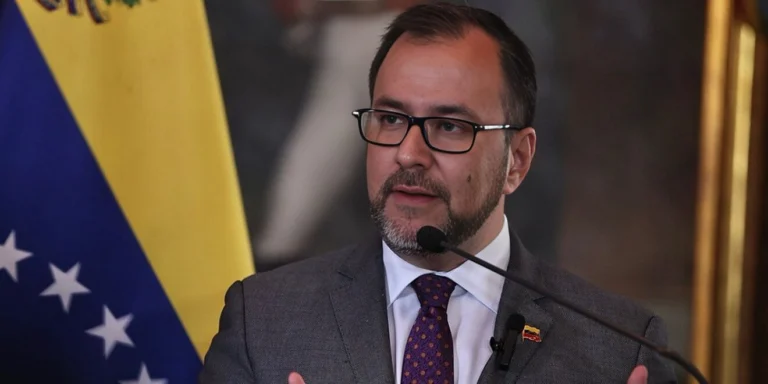
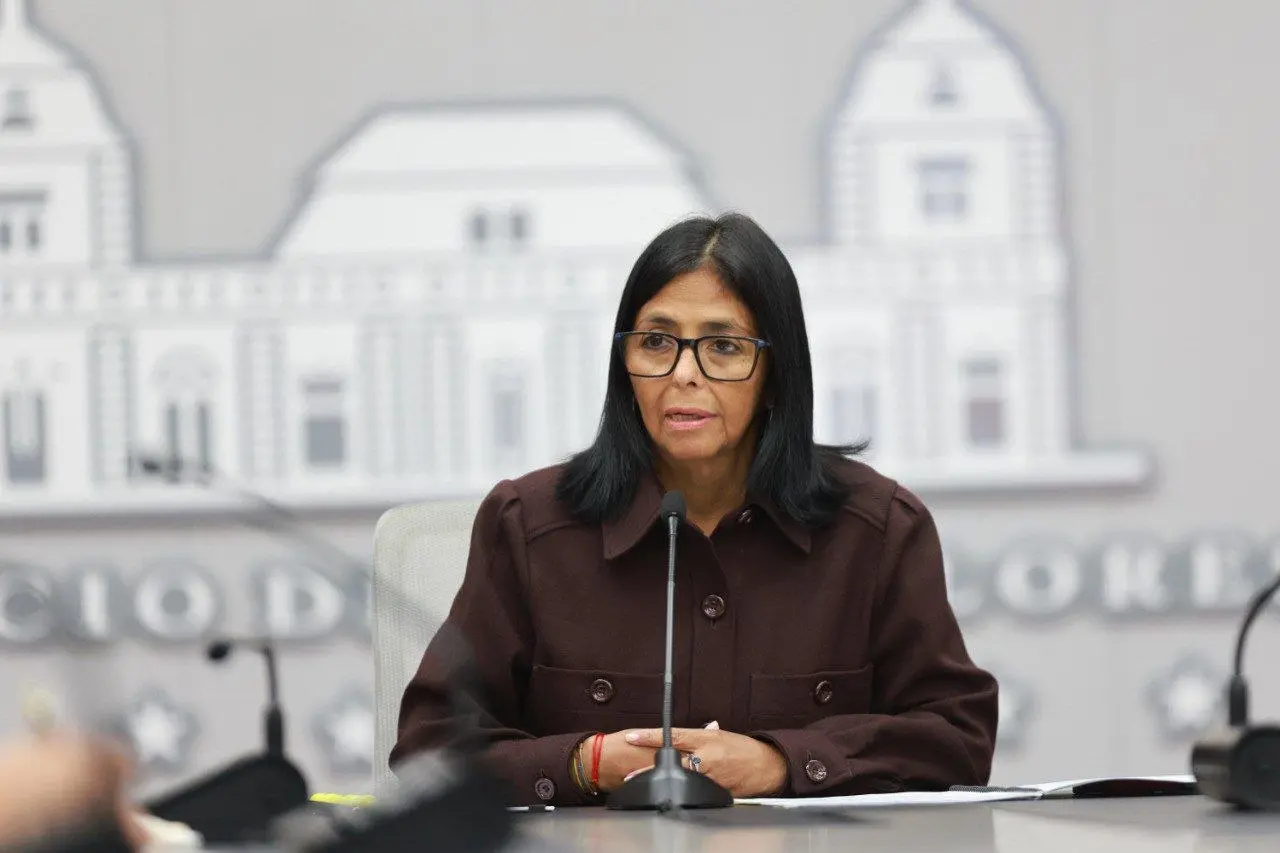
Venezuelan FM Yvan Gil. Photo: EFE.
December 28, 2025 Hour: 12:31 am
🔗 Comparte este artículo
Venezuela has strongly condemned Israel’s formal recognition of the breakaway region of Somaliland as an independent state, calling the move a dangerous precedent that threatens regional stability and violates fundamental principles of international law.
Venezuela has condemned Israel’s exclusive recognition of the breakaway region of Somaliland, warning that the move threatens regional stability and sets a dangerous international precedent.
In a statement issued by Foreign Minister Yvan Gil, Caracas rejected the unilateral action, asserting that respect for state sovereignty is a non-negotiable foundation for peaceful coexistence between nations.
RELATED: Israel Recognizes Self-Proclaimed Republic of Somaliland as an Independent State
The communiqué called for disputes to be resolved through dialogue, mutual respect, and multilateral frameworks. FM Gil emphasized that lasting solutions to Somalia’s challenges—and averting a total collapse of the state—require support for its legitimate institutions.
Venezuela stressed that any interference violating the territorial integrity of an African nation runs counter to fundamental principles of the UN Charter. The Foreign Ministry further insisted that international stability depends on strict adherence to norms prohibiting the dismemberment of countries via external agreements.
On that line, the Bolivarian Government criticized what it described as attempts by powerful states to redraw borders according to their strategic interests. It also reiterated its commitment to peace, self-determination, and a fair, multicentric world order grounded in international law.
Zionist Endorsement of Somaliland
The statement was a direct response to Israeli Prime Minister Benjamin Netanyahu’s office announcing formal recognition of Somaliland as an independent state on Friday, December 26. The agreement included a mutual recognition declaration and plans for cooperation in health, technology, and agriculture—a move that has drawn criticism across the globe.
Several nations, including Egypt, Türkiye, and Djibouti, have also rejected Tel Aviv’s position, voicing full support for Somalia’s territorial integrity and labeling the recognition a political provocation.
The Somali Crisis
Somalia has faced territorial fragmentation since the collapse of Mohamed Siad Barre’s Government in 1991. While international legitimacy rests solely with the Federal Government in Mogadishu, its authority remains largely confined to the capital and limited parts of the country.
The power vacuum has allowed regional administrations to operate autonomously, notably Somaliland in the north -which has maintained de facto independence- and Puntland in the east, an autonomous region since 1998.
Author: Victor Miranda - LVM
Source: Venezuelan Ministry of Foreign Affairs